Berthon UK
(Lymington, Hampshire - UK)
Sue Grant
sue.grant@berthon.co.uk
0044 (0)1590 679 222
Berthon Scandinavia
(Henån, Sweden)
Magnus Kullberg
magnus.kullberg@berthonscandinavia.se
0046 304 694 000
Berthon Spain
(Palma de Mallorca, Spain)
Simon Turner
simon.turner@berthoninternational.com
0034 639 701 234
Berthon USA
(Rhode Island, USA)
Jennifer Stewart
jennifer.stewart@berthonusa.com
001 401 846 8404
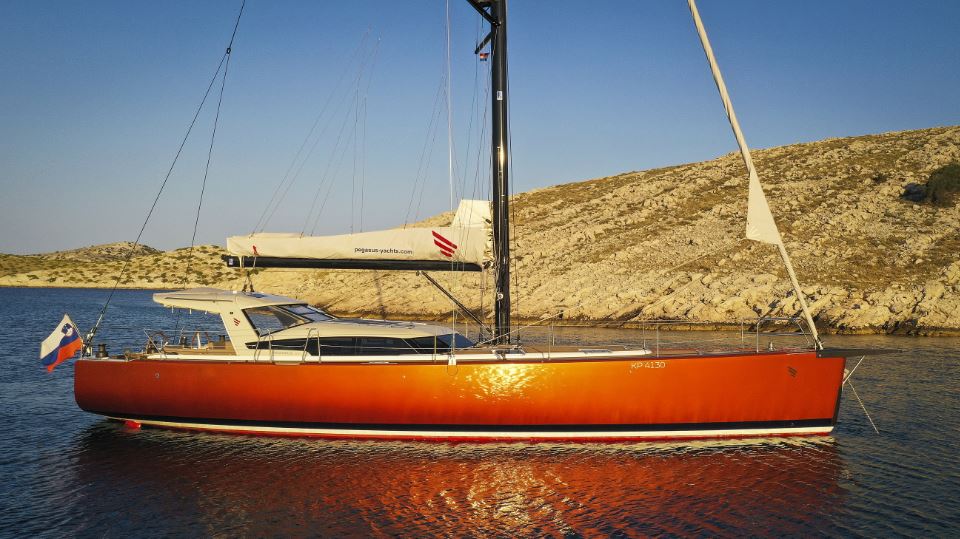
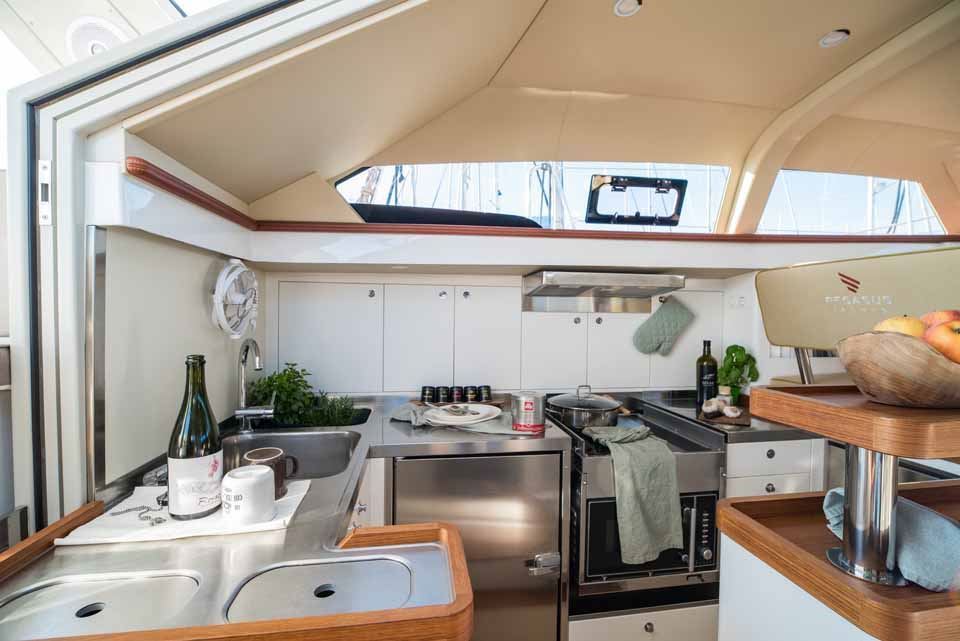
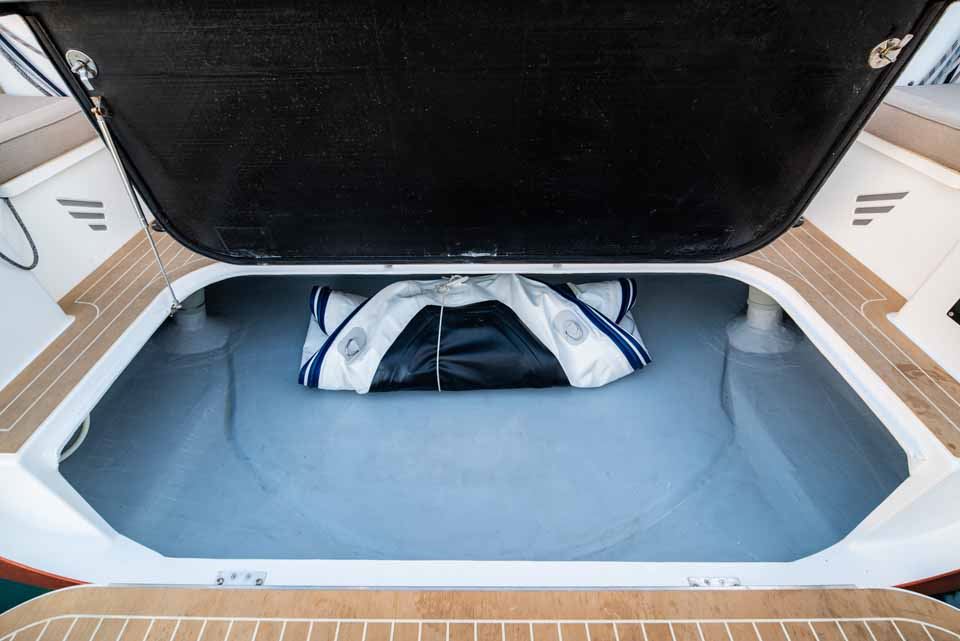
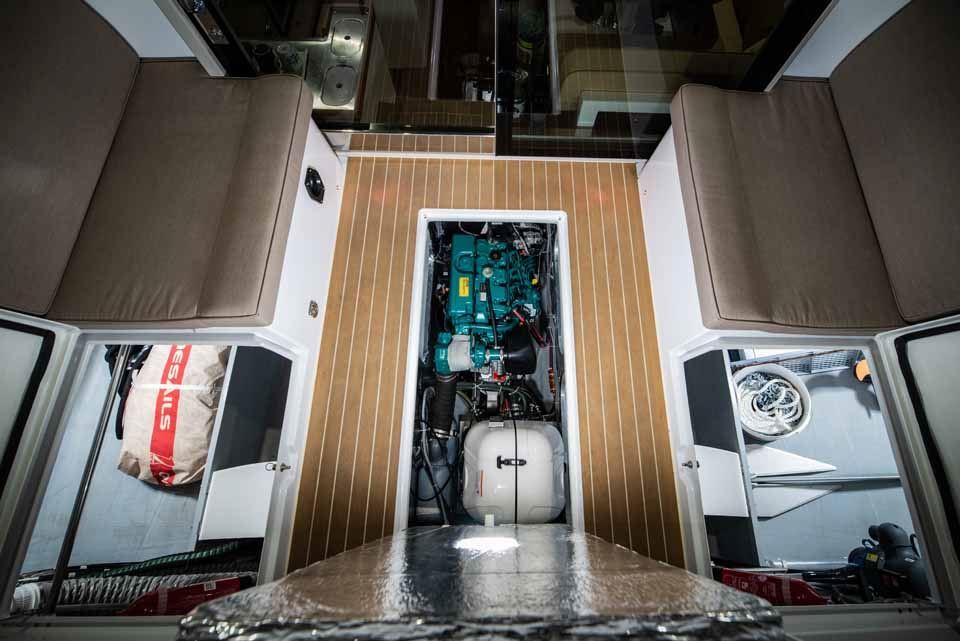
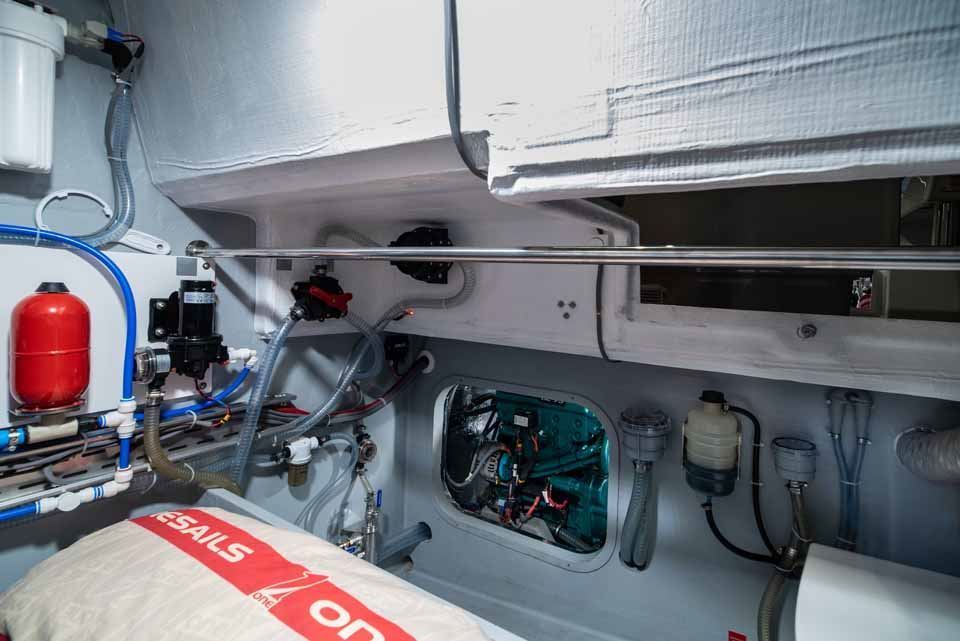
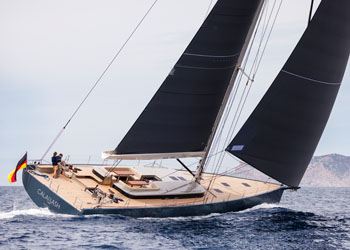
We are proud to work with the team at Pegasus Yachts, who are building a range of full-carbon, fast cruising yachts featuring a protected cockpit, deck saloon, carbon rig, and intelligent engineering. These yachts are perfect for small crews, offering a highly rewarding sailing experience. Access to all machinery is straightforward for maintenance, and the yachts are full of smart ideas and modern technology. The Pegasus 50, in particular, has plenty of row-away appeal.
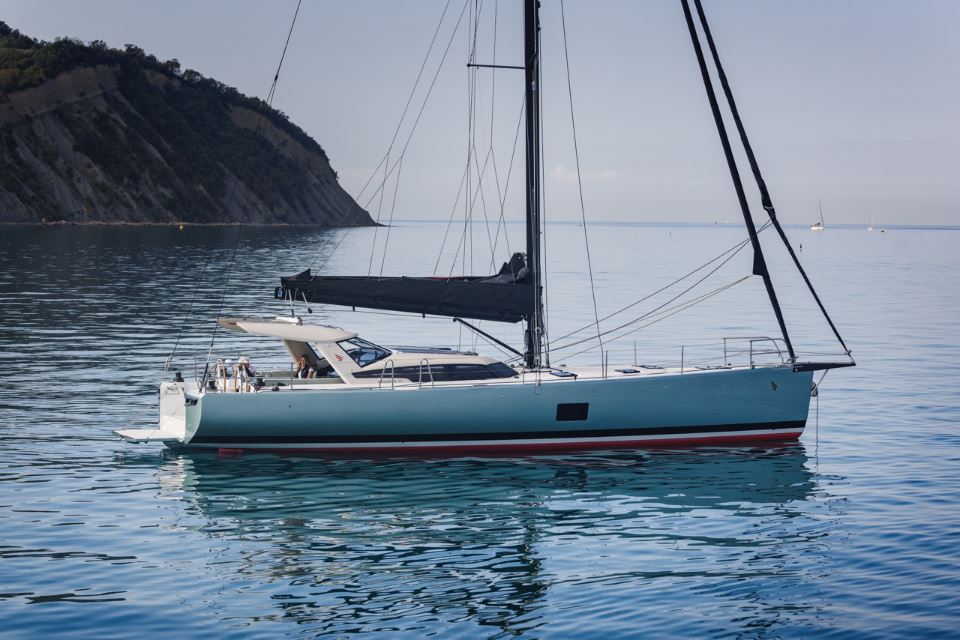
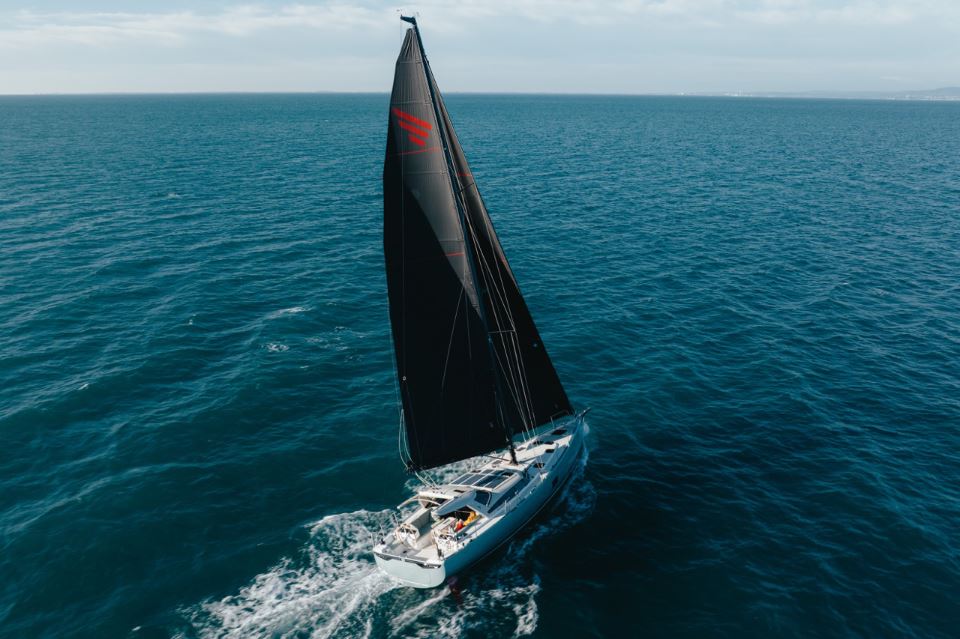
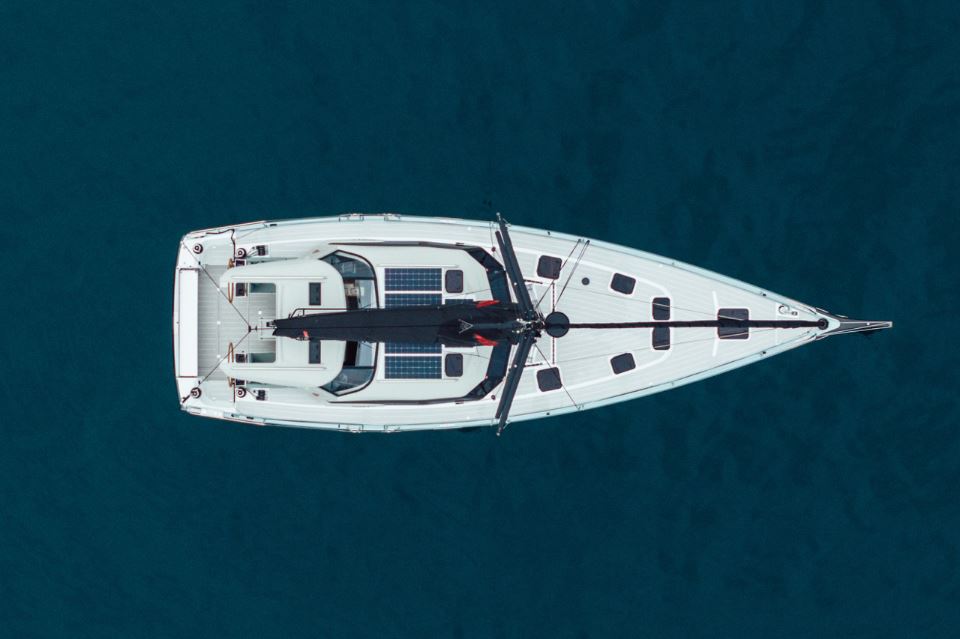
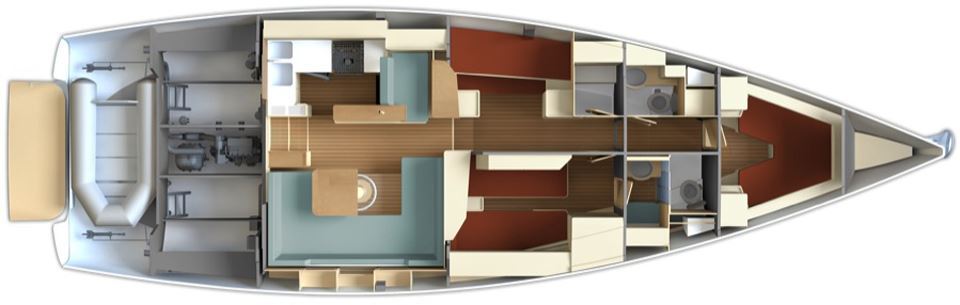
Pegasus 50 is the best possible merge of comfort, safety, and simple and fast cruising. She is optimized for shorthanded long-distance sailing while she serves equally good for day cruising with family and friends. The Pegasus 50 is an owner-driven sailing yacht with a focus on simple sailing handling, easy and fast movement on seaway and maintenance simplicity.
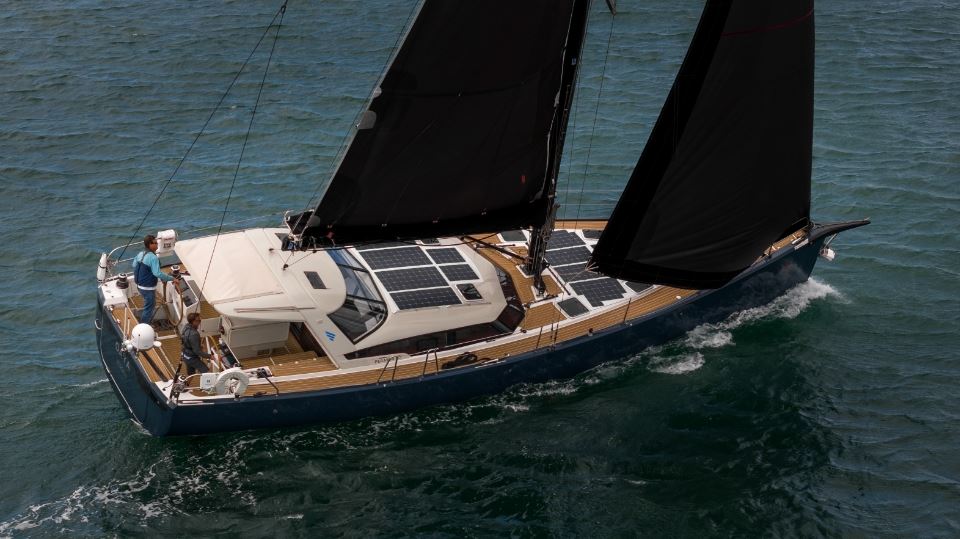
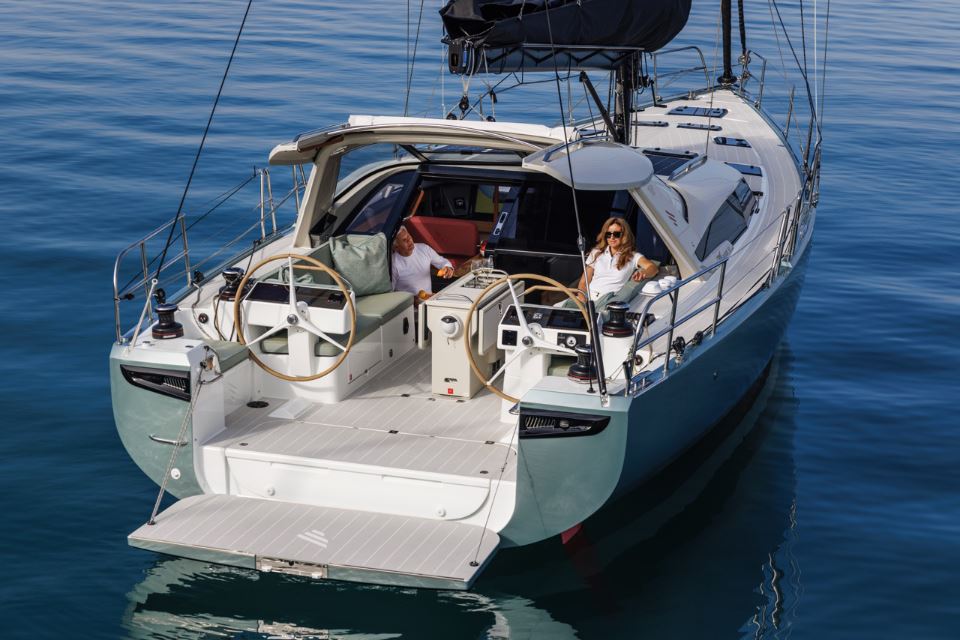
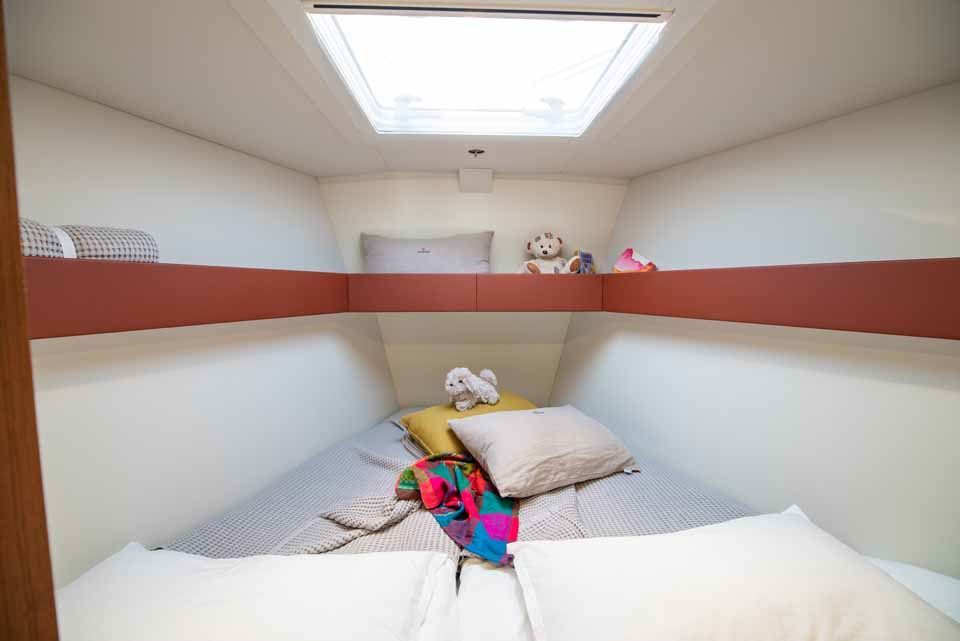
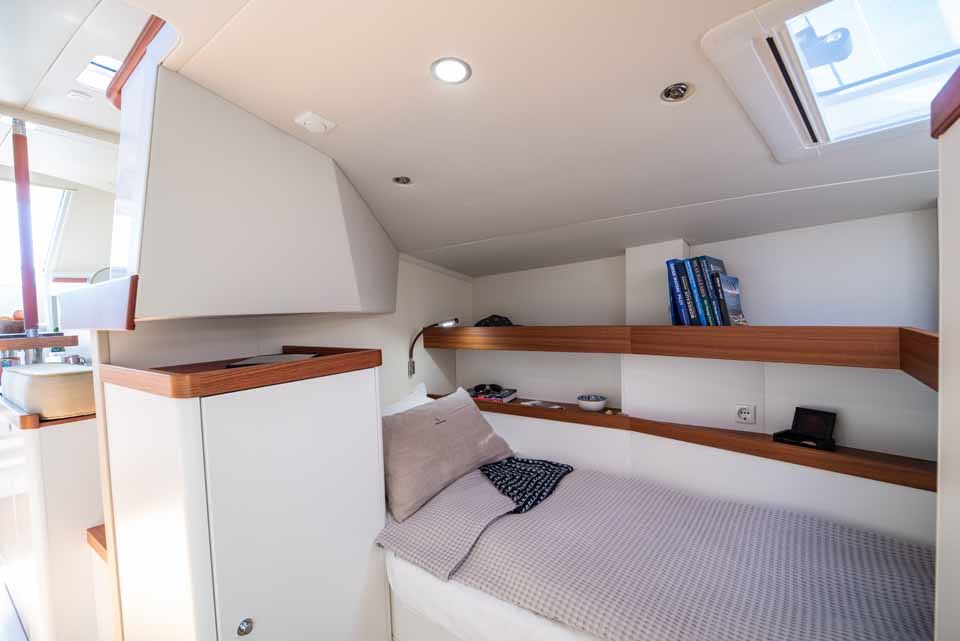
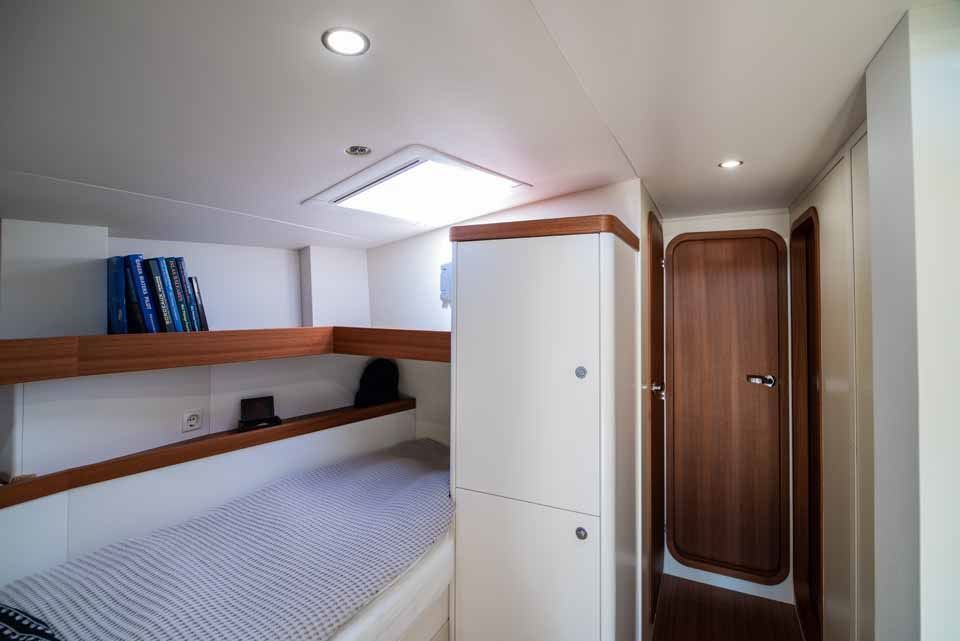
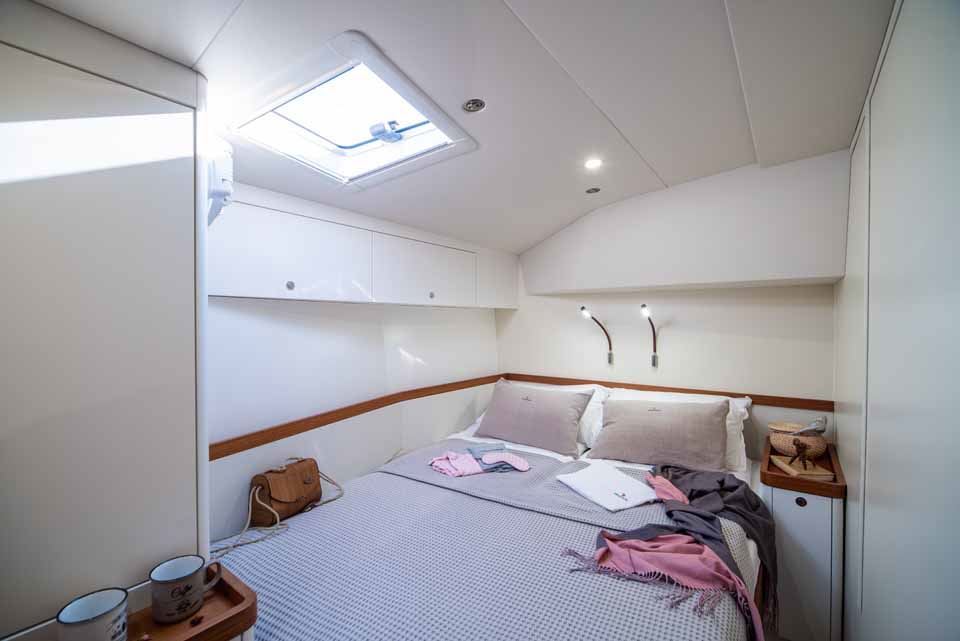
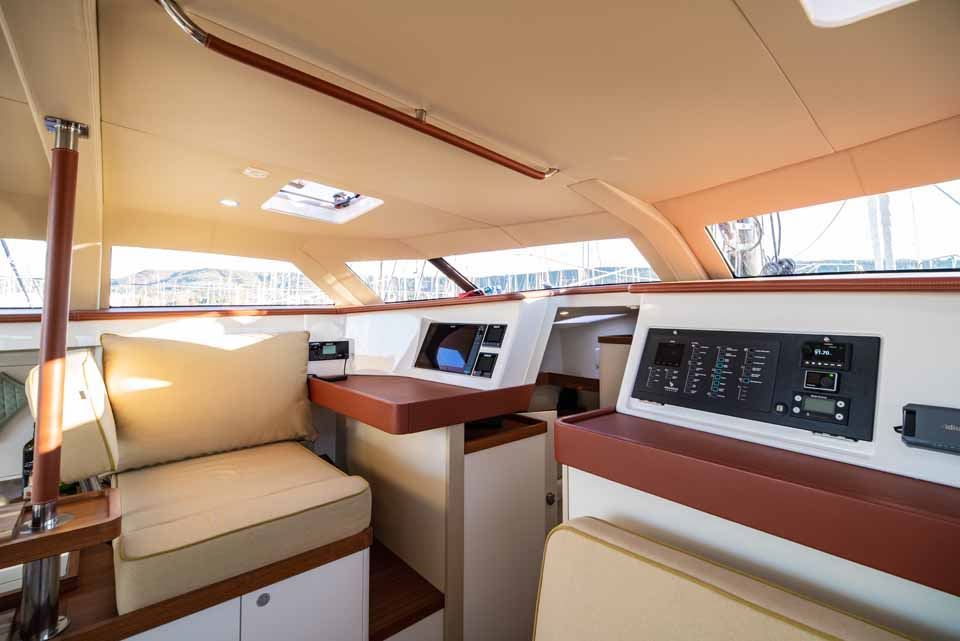
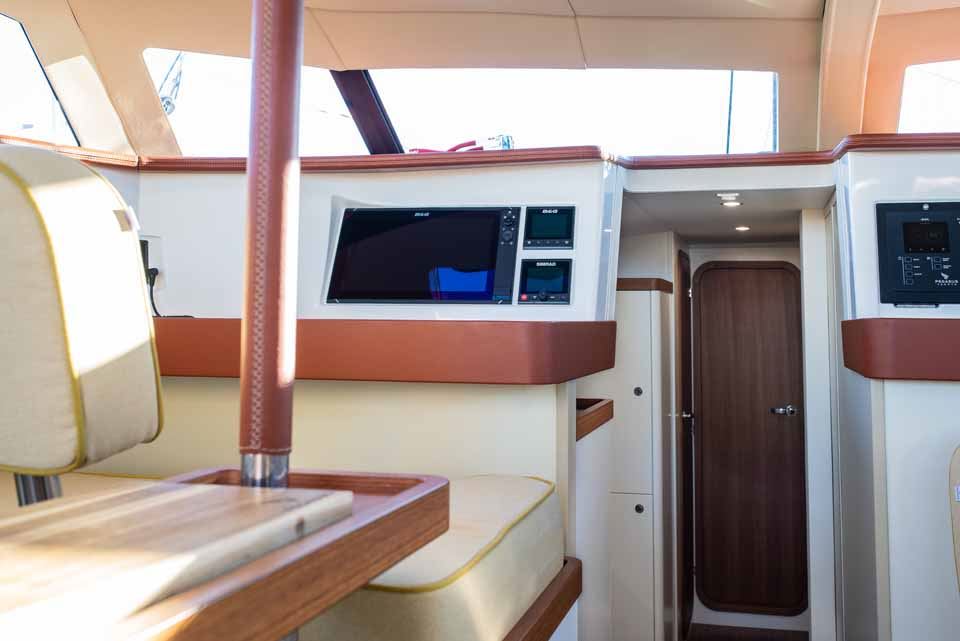
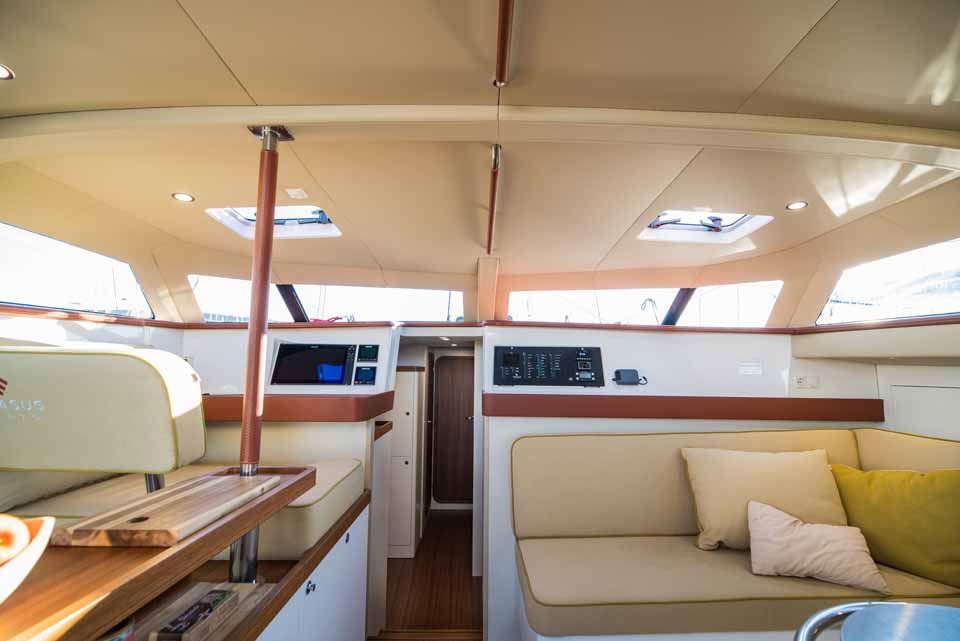
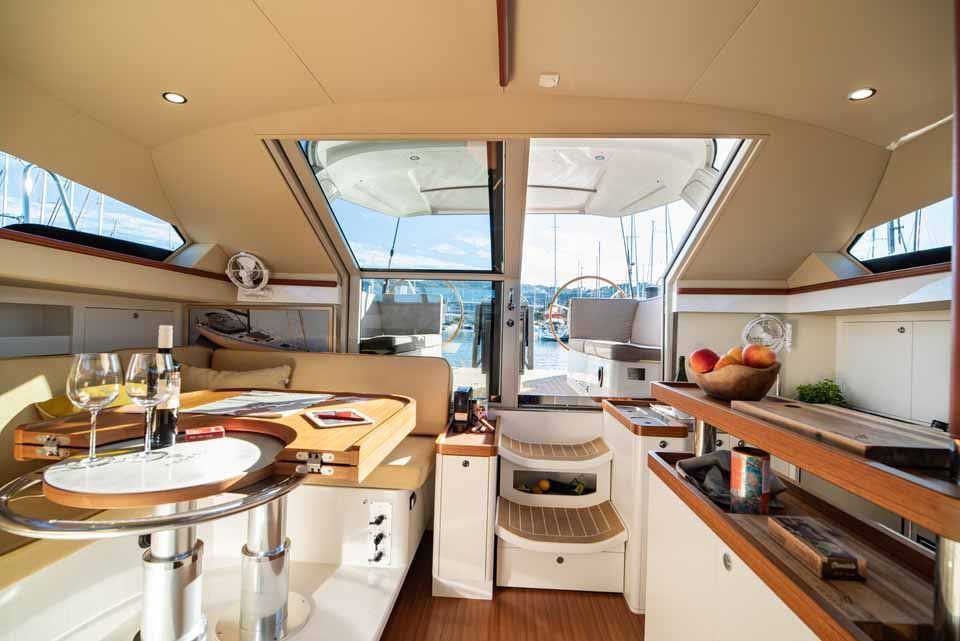
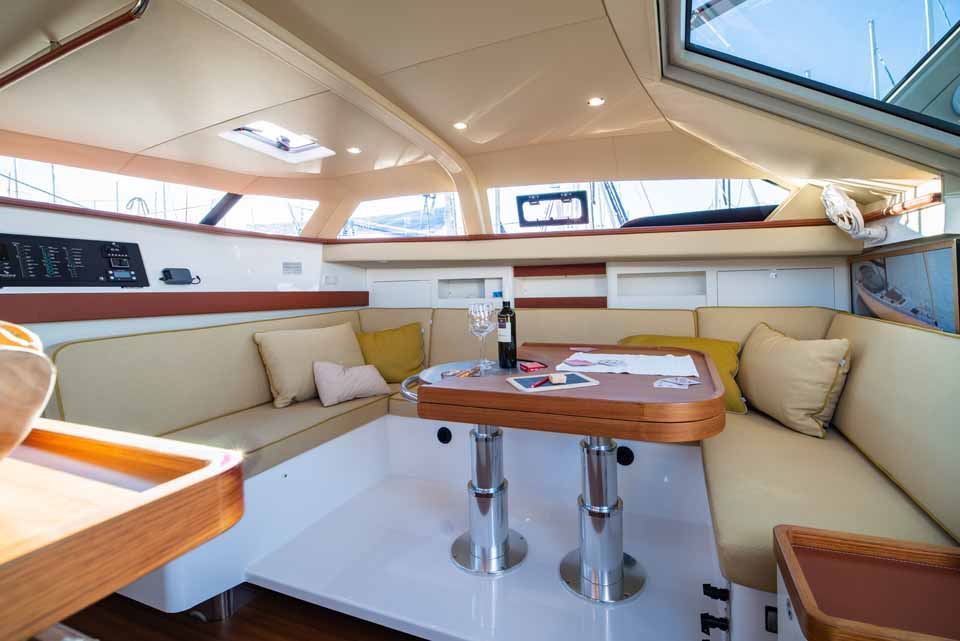
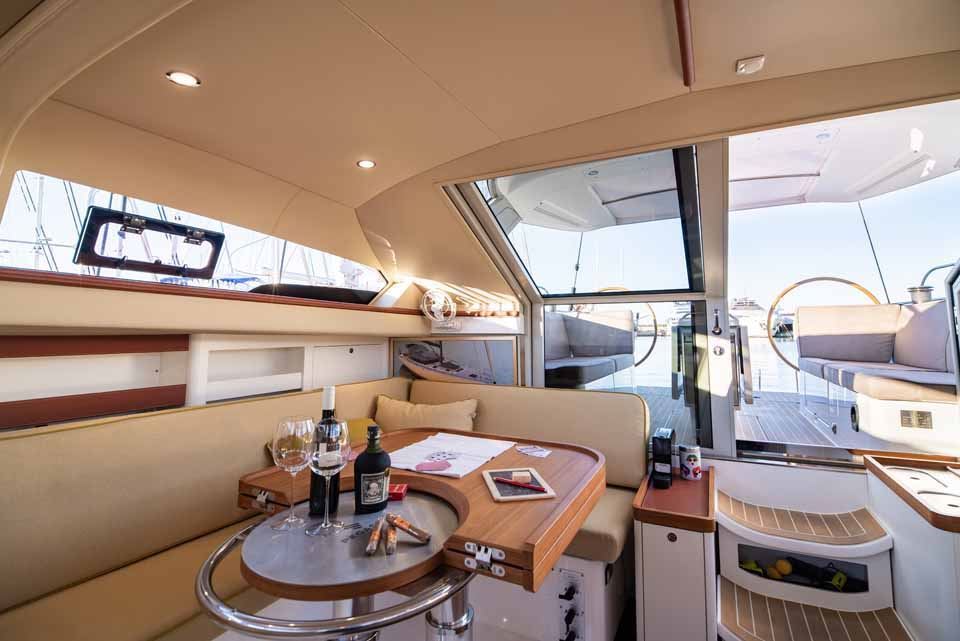
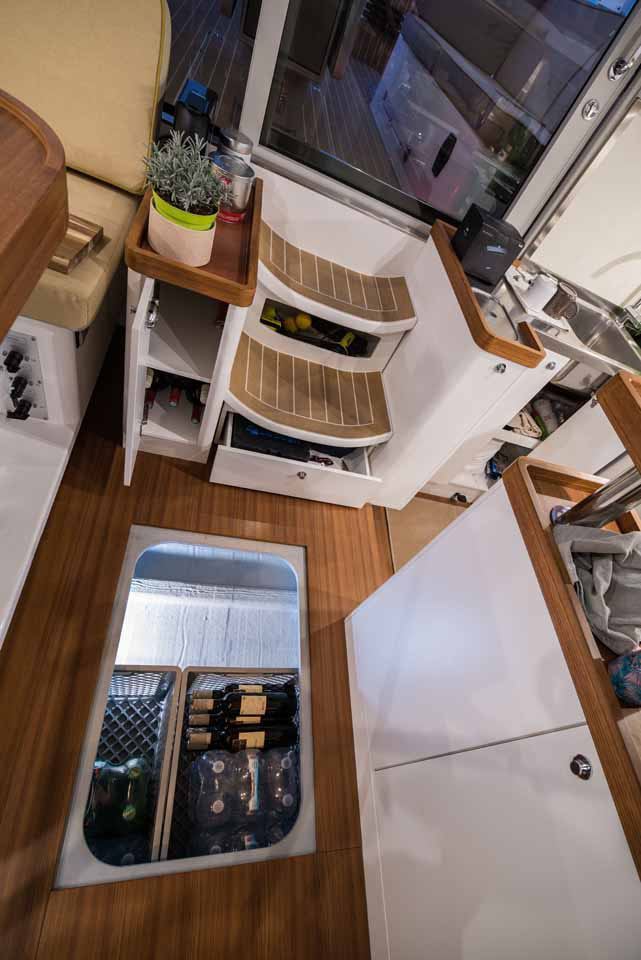
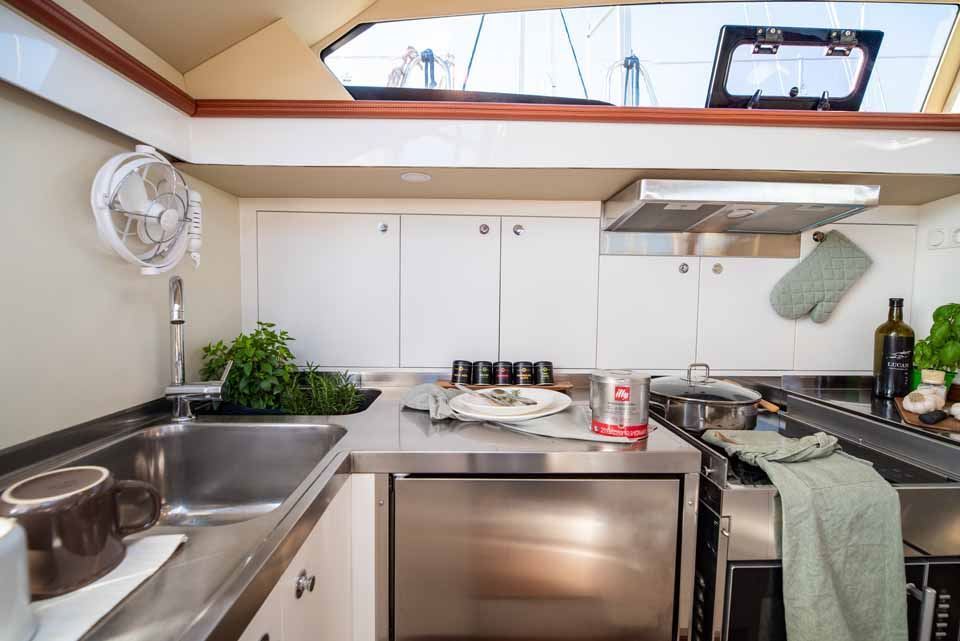
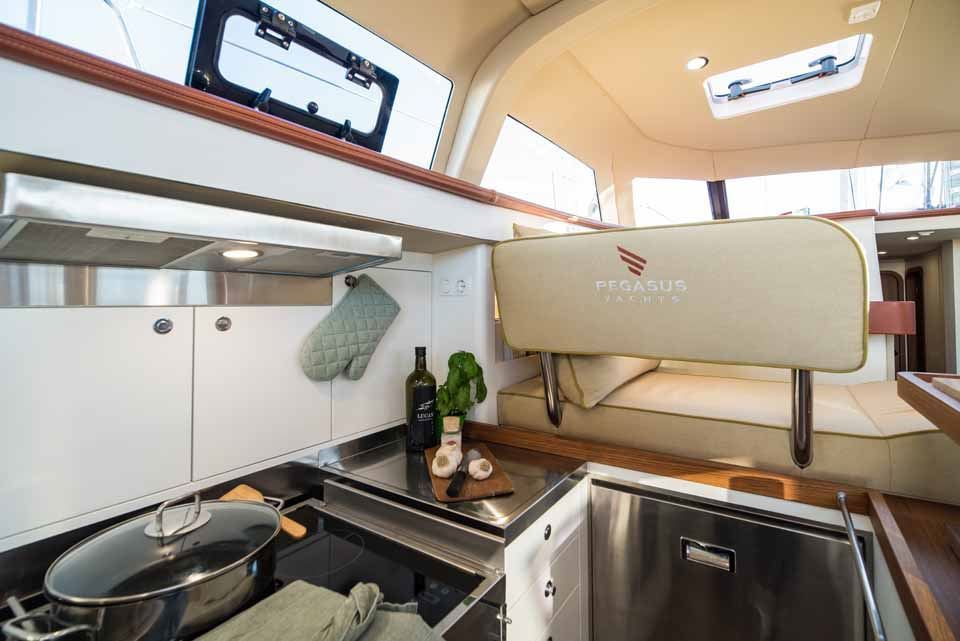
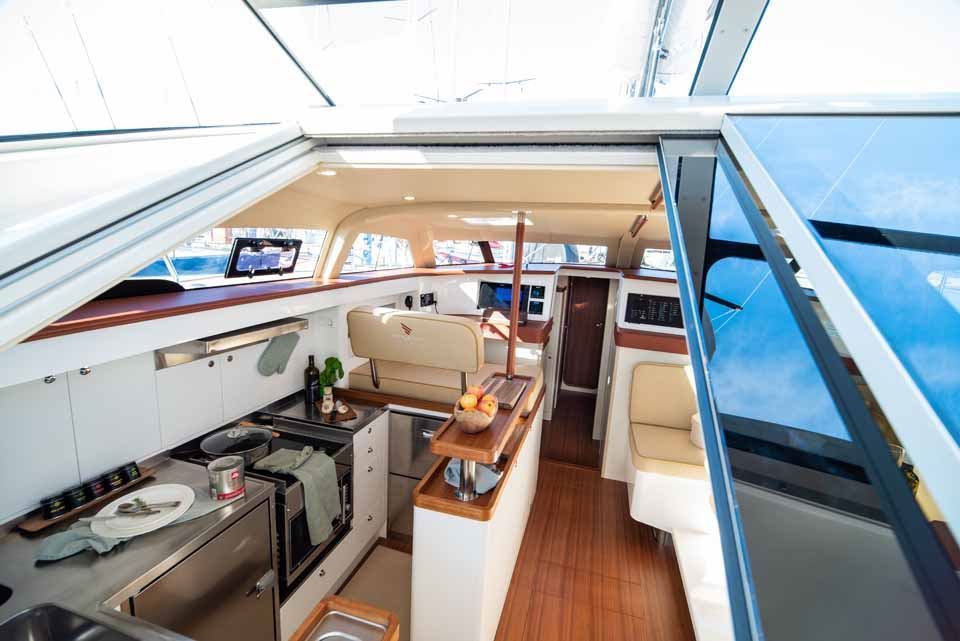
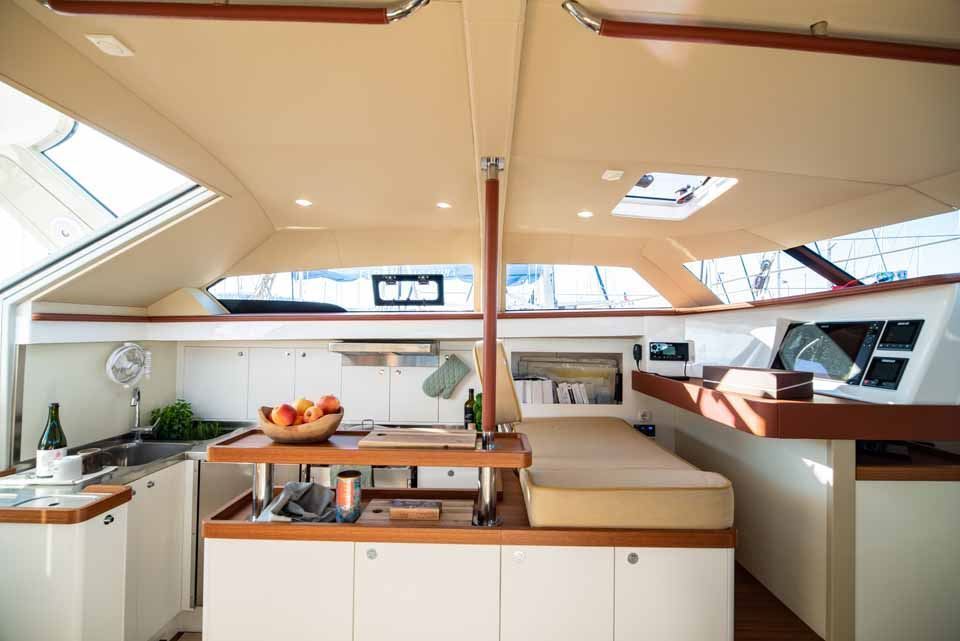
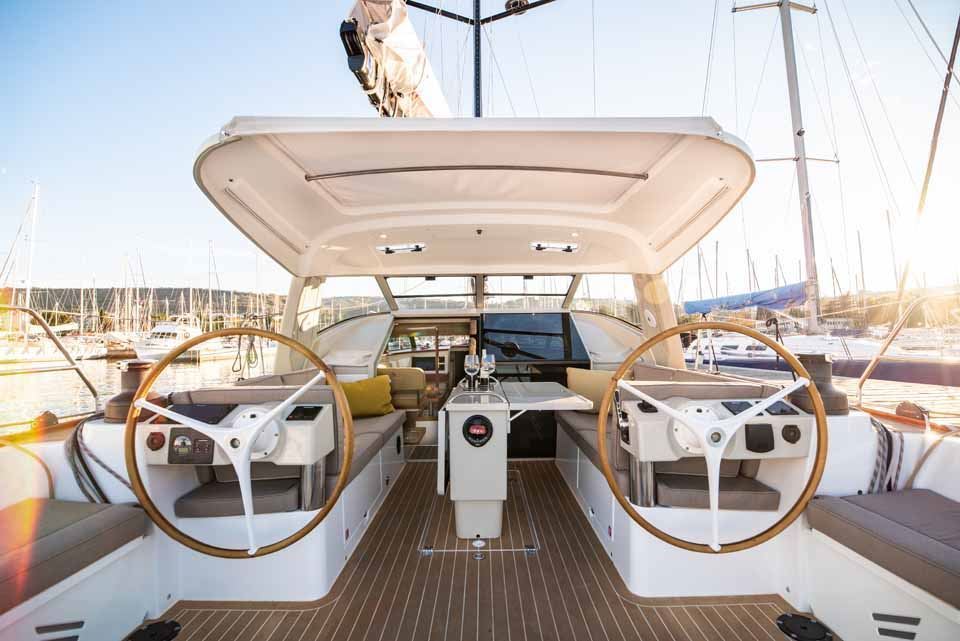
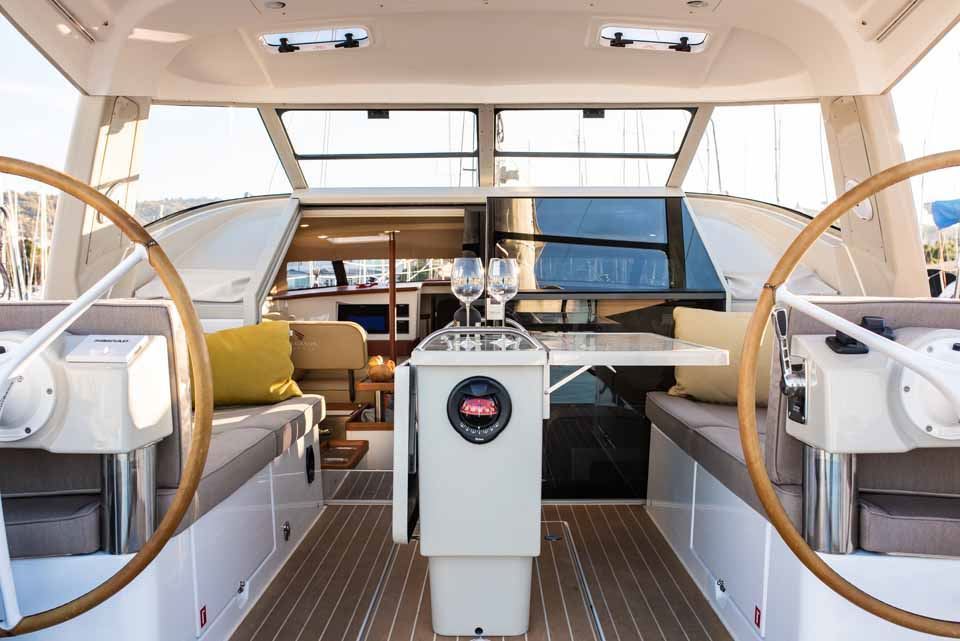
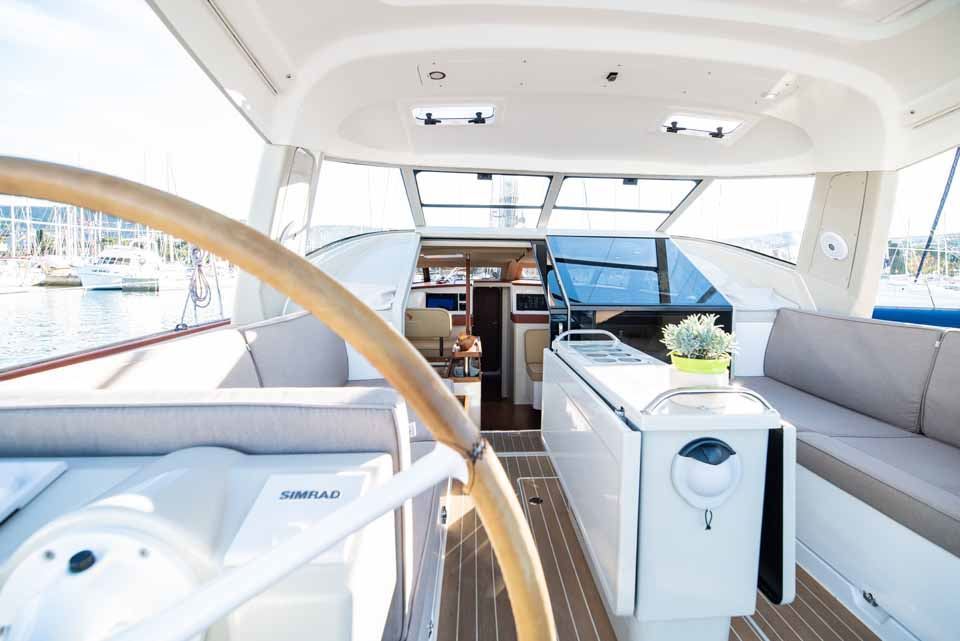
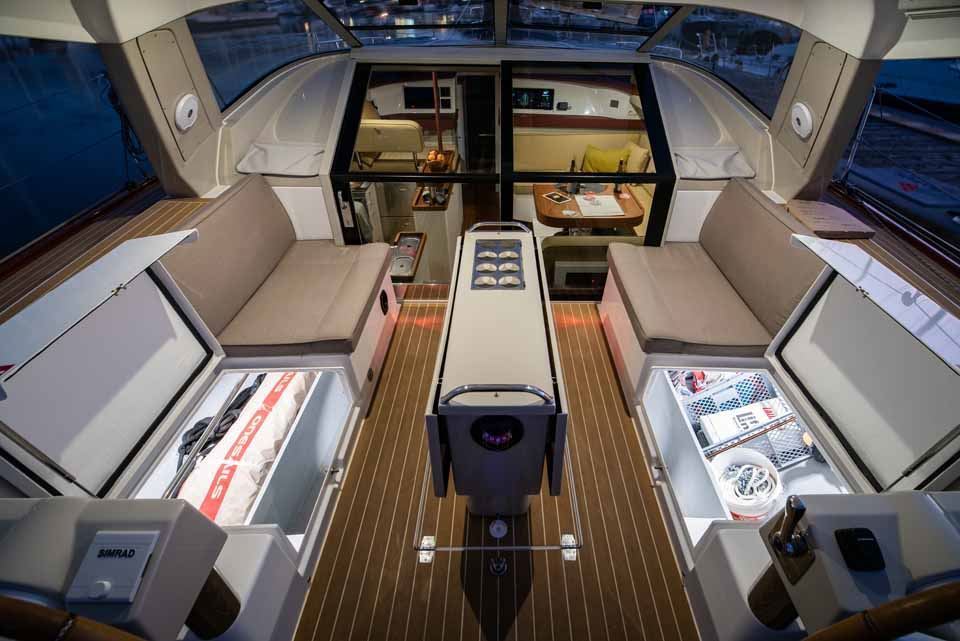
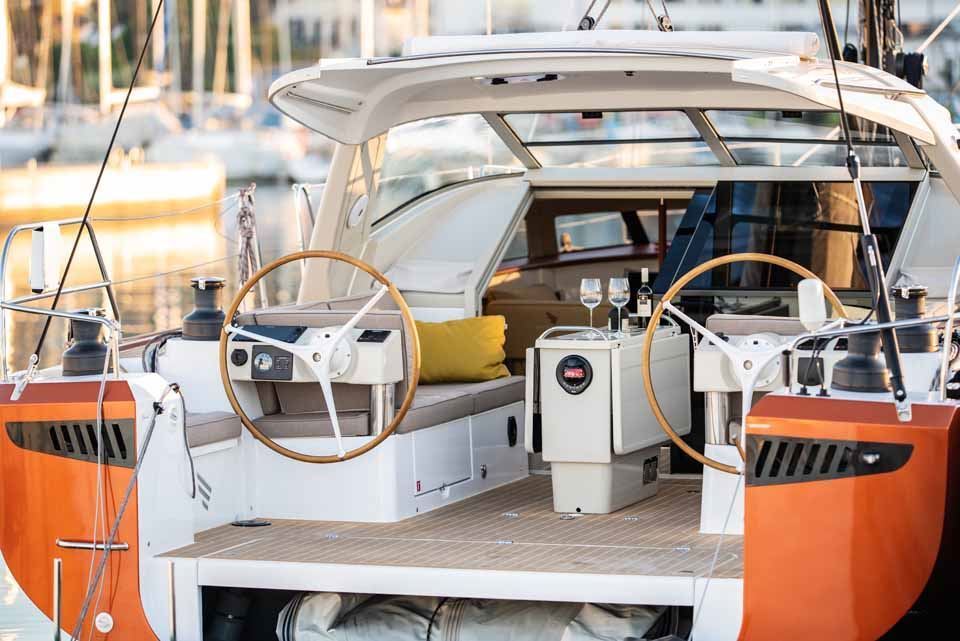
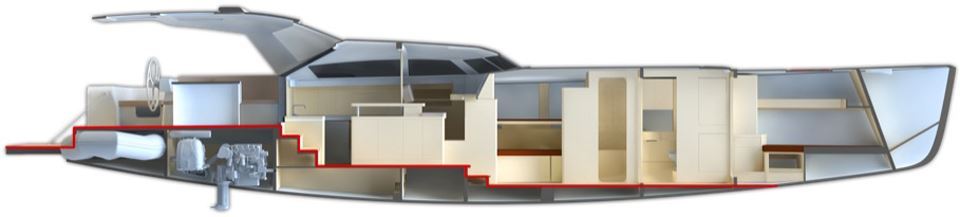
A main feature on-board the Pegasus 50 is the connection between cockpit and saloon. We wanted to make one united space. This is achieved by lowering cockpit and raising saloon floor levels. The vertical distance between two floors is three-step heights (around 60cm). Negative consequences? Sure! As cockpit moves down, it reduces standing height for aft cabins and above the saloon area arises a coach roof with 360 windows. No traditional aft cabins but one big, connected cockpit-to-saloon area, with ample of light inside and horizon visibility. Instead of traditionally dividing spaces into the interior and relatively small cockpit area, the Pegasus 50 presents a big living area (half of the yacht length), where sailors can comfort themselves during sailing and stay visually connected. The Pegasus 50 is actually split into the living area (no matter if day or night) and two cabins area forward of the saloon. Reduced cockpit-to-saloon height smoothens communication with only two steps (five to seven in traditional yachts).
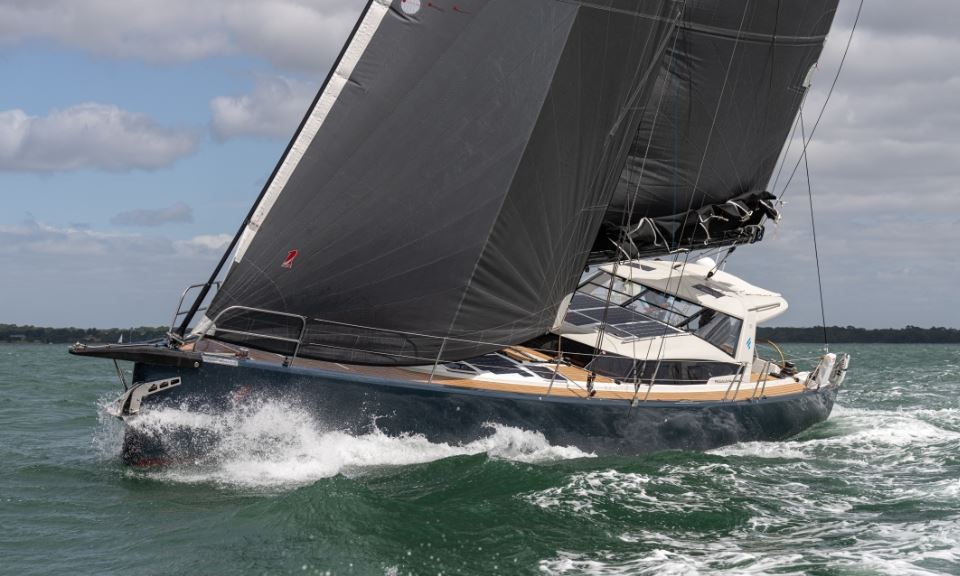
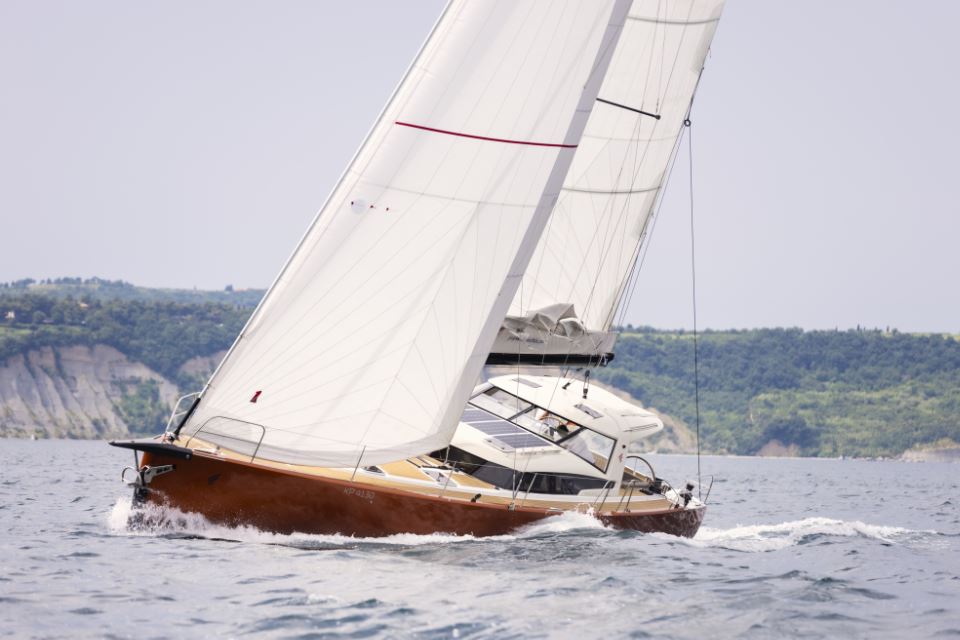
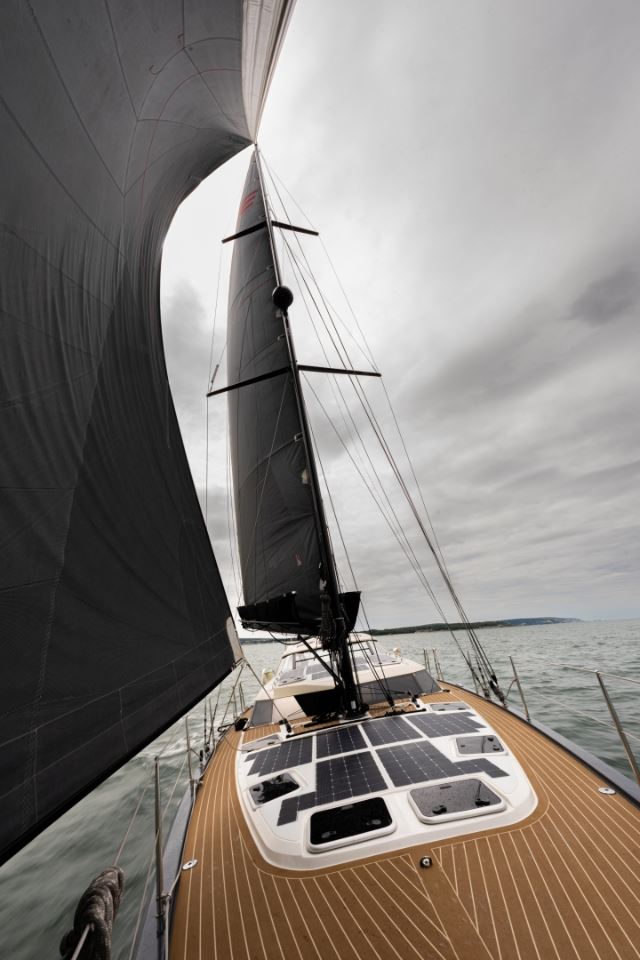
Sailing around the world in the equatorial belt and Mediterranean requires good sun UV protection. Some areas require protection from rain and spray. For this reason, yachters are using all kind of dodgers, bimini covers and removable tents. So, why not integrate all these add-ons into an elegant streamlined rigid cockpit roof? A lightweight carbon roof connected to the mainsheet arch with a possibility to place solar panels on. A protective glass windshield and cockpit rooftop that opens like a soft cabriolet car roof when desired, but all remains in place and no additional storage needed. And it is really chic.
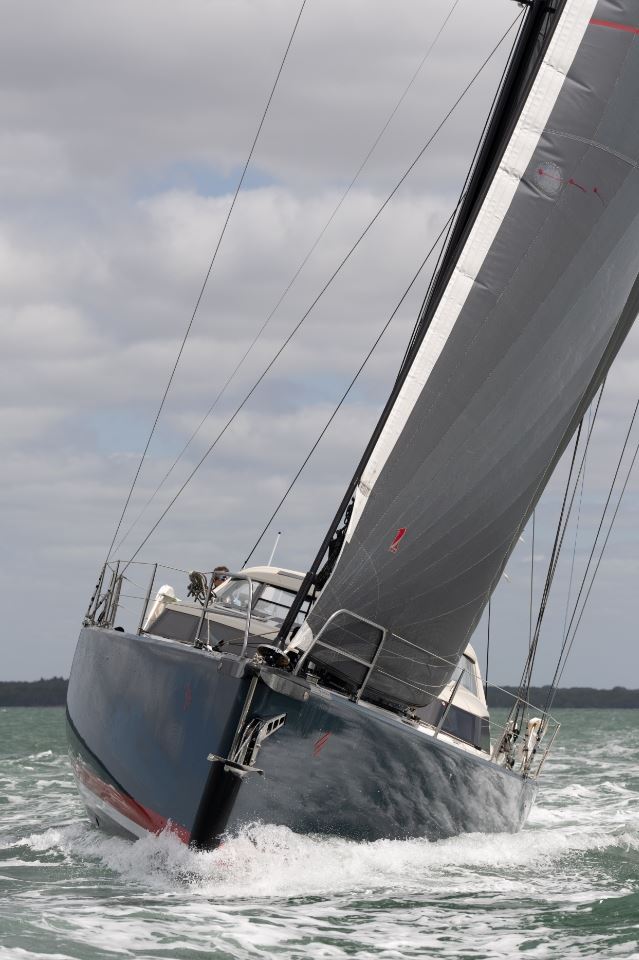
Reducing stress factors and improving control onboard is one of the main elements of the wellbeing of the owner and his crew. There are no big steps possible nowadays – instead, smaller details that would support sailing operations and make sailing in various conditions controllable. The Pegasus 50 has a modern, well-balanced, and full ends hull, which would support reaching performance but would be safe and comfortable in heavy wind upwind conditions if needed due to her high ballast ratio. The mast is moved maximum aft as practical. This gives more sail area to easy furl-able headsails. The boom is shortened for a purpose: to have as smaller a load on the mainsheet arch as possible, for construction and weight reasons and to avoid the boom hitting waves while sailing wide open for sailing downwind. This can be dangerous for breaking the boom or boom gooseneck. It is planned to have a furling boom, but equally good would be a solid, oversized lazy bag. The mast has an extended mast crane to add mainsail area for light wind performance. Sail area is moderate, in connection to stability, optimized for 10-20 knots of wind. From 15 knots on a self-tacking J2 and the first reef would be a comfortable upwind configuration. Outer sheeting points for J1 will be used while reaching. At TWS 20 knots/100 TWA, with full main and J1, autopilot ON, she will be touching 12.5 knots yacht speed: her owner reading books and having cold drinks from the cockpit table fridge. Sitting in shadow with the wind in their hair, of course. Downwind sails, Code 0 and asymmetric gennaker will be furling, using modern endless furling systems with torque rope.

Ben Cooper
Berthon UK
Tel: +44 (0)1590 679 222
E-Mail: ben.cooper@berthon.co.uk
Click image for full broker profile.
Berthon UK
(Lymington, Hampshire - UK)
Sue Grant
sue.grant@berthon.co.uk
0044 (0)1590 679 222
Berthon Scandinavia
(Henån, Sweden)
Magnus Kullberg
magnus.kullberg@berthonscandinavia.se
0046 304 694 000
Berthon Spain
(Palma de Mallorca, Spain)
Simon Turner
simon.turner@berthoninternational.com
0034 639 701 234
Berthon USA
(Rhode Island, USA)
Peter Houghton
peter.h@berthonusa.com
001 410 507 3658